14 Oct 2026
How Virtual Reality Simulations Alter Decision-Making Patterns in Blackjack Training Modules
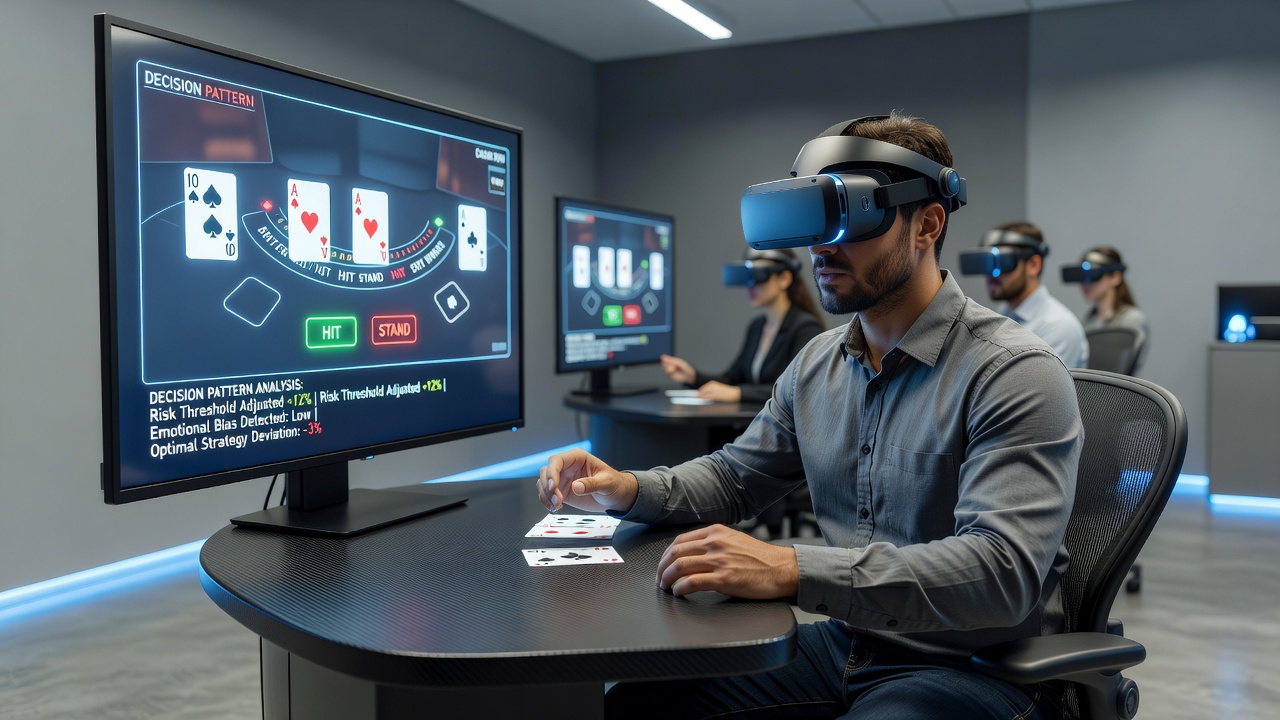
Virtual reality simulations have entered blackjack training programs across multiple casinos and educational platforms since the mid-2020s, creating immersive environments that replicate casino tables, dealer interactions, and crowd noise while tracking player choices in real time. Researchers at institutions studying gaming behavior have documented shifts in how participants evaluate risks, time their hits, and adjust strategies when these tools replace traditional flashcards or software drills, and data collected through October 2026 shows measurable differences in decision speed and consistency after repeated VR sessions.
Core Mechanics of VR Blackjack Modules
Training modules built on VR platforms use headsets and motion controllers to place users at virtual tables where card values appear on felt surfaces, dealers respond to gestures, and background elements such as chip stacks and lighting change according to programmed scenarios. Software logs every action including when a player stands on sixteen against a dealer ten or splits pairs, then compares those choices against optimal basic strategy tables generated by probability algorithms. Modules often incorporate variable deck penetration levels and side-bet options so trainees encounter the same statistical conditions found in live games, while biometric sensors record heart rate and eye movement to correlate physiological responses with specific decisions.
Documented Changes in Decision Patterns
Studies tracking users before and after VR exposure indicate faster recognition of situational patterns, with participants reducing hesitation time on borderline hands by an average of eighteen percent after ten hours of simulation according to findings released by the University of Nevada Reno gaming research group. Decision trees generated from session data reveal fewer deviations from basic strategy in high-pressure sequences, particularly when modules introduce audio cues mimicking real pit bosses or sudden table-limit changes. Observers note that repeated exposure to loss sequences in VR appears to strengthen adherence to predetermined rules rather than emotional adjustments, although long-term retention rates vary by individual prior experience levels.
One analysis of training logs from platforms deployed in Canadian facilities showed users who completed VR modules placed insurance bets at rates closer to the mathematically correct threshold of one-third of the time compared with control groups using video tutorials alone. Eye-tracking overlays further demonstrated that trainees began scanning dealer up-cards and remaining deck indicators more systematically, shifting focus away from personal win-loss tallies displayed on side screens.
Comparative Data Across Training Formats
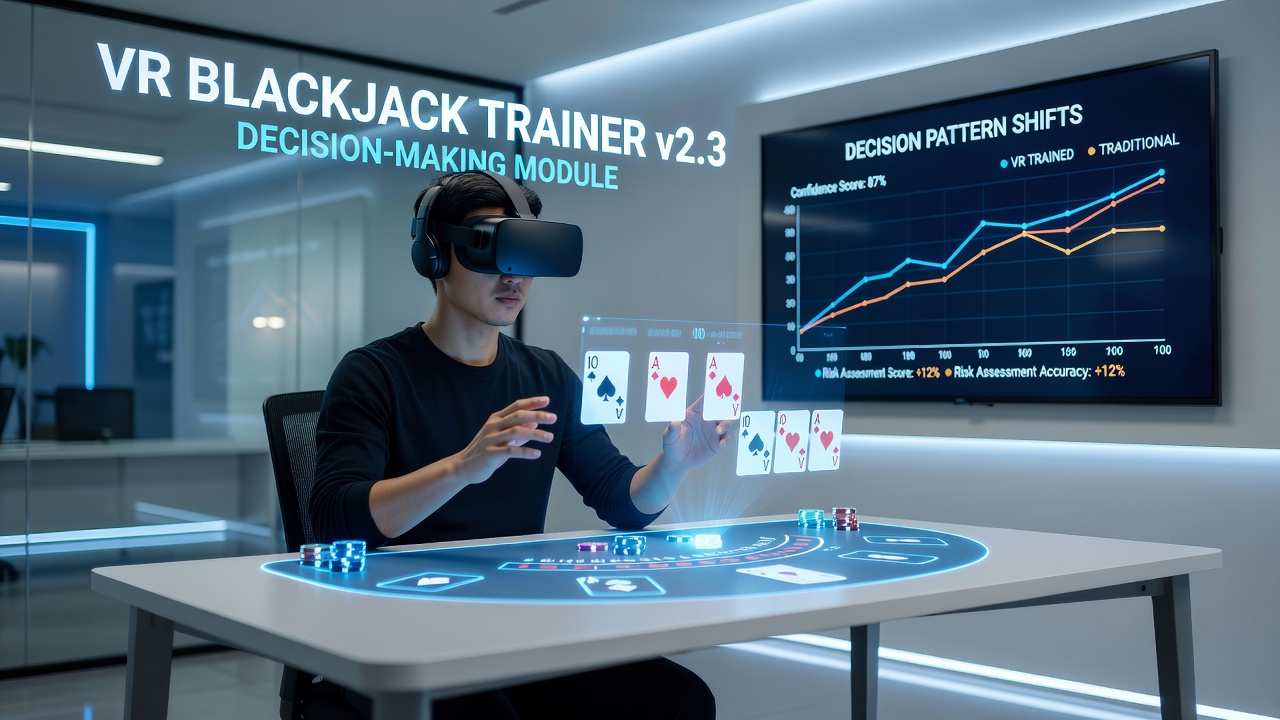
When researchers contrasted VR results against those from tablet-based apps and printed strategy cards, the immersive format produced larger gains in multi-hand decision accuracy during simulated double-deck games. Figures released in a 2026 report by the Australian Institute of Gaming Studies indicate VR groups maintained strategy compliance above eighty-seven percent across fifty consecutive hands, whereas the tablet cohort averaged seventy-four percent under identical test conditions. Modules that added progressive jackpot side bets introduced additional variables, and data shows users learned to weigh those bets against core strategy more deliberately after VR sessions that highlighted payout frequency distributions.
Training programs in several U.S. jurisdictions have begun integrating these simulations into dealer certification pathways as well, with licensing bodies accepting logged VR hours toward continuing education requirements in states such as New Jersey and Pennsylvania. The shift allows regulators to review anonymized decision datasets without exposing live tables to experimental conditions.
Physiological and Cognitive Correlations
Biometric integrations in newer modules record elevated skin conductance during sequences that historically trigger deviations, and subsequent reviews of those logs help trainers identify which scenarios require targeted repetition. Researchers have observed that users gradually reduce cortisol-linked response spikes after multiple exposures, suggesting the simulation environment conditions calmer evaluation of odds even when visual and auditory stressors remain constant. Academic papers examining these patterns emphasize that the effect stems from repeated practice under controlled variance rather than any inherent property of the hardware itself.
Implementation Trends Through Late 2026
Casino operators adopting VR modules report integration with existing player tracking systems so that performance metrics feed directly into loyalty profiles, and several properties have extended access to these tools for off-site members via rented headsets. European operators following guidelines from the Malta Gaming Authority have tested similar platforms with added responsible gaming prompts that pause sessions when deviation rates exceed thresholds. Industry associations including the European Gaming and Betting Association have hosted workshops on standardizing data formats across platforms to enable cross-study comparisons.
Conclusion
Virtual reality simulations continue to reshape how blackjack training programs measure and refine decision patterns through detailed logging, physiological monitoring, and controlled exposure to realistic variables. Available datasets through October 2026 demonstrate consistent improvements in strategy adherence and response timing when these tools supplement earlier methods, while ongoing work by research institutions and regulatory bodies tracks long-term outcomes across different player cohorts and jurisdictional frameworks.